Shardiya Navratri
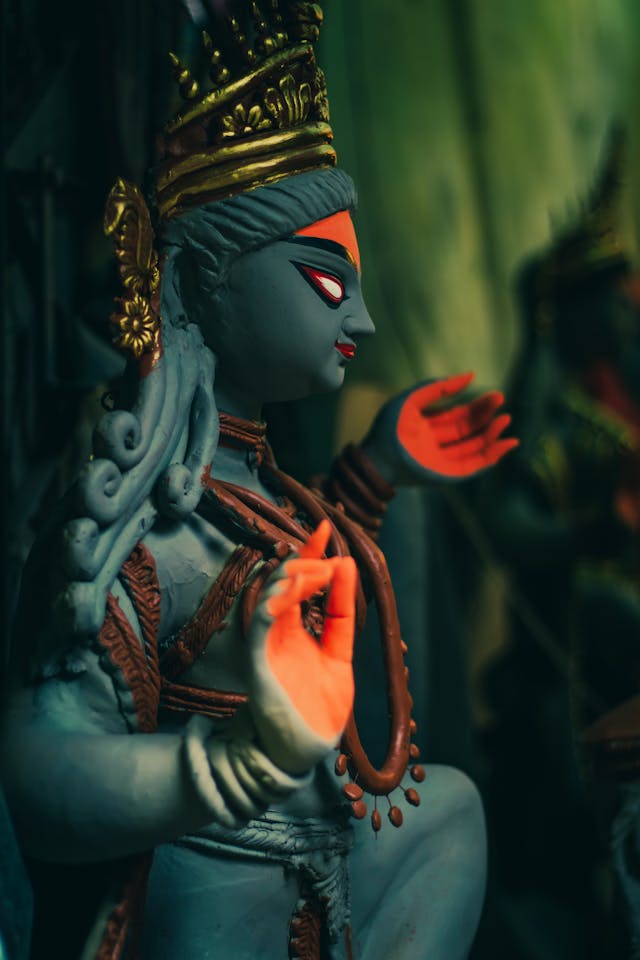
Shardiya Navratri, observed each autumn, is one of the most vibrant and spiritually charged festivals in the Hindu calendar. Spanning nine nights and ten days, it honors the Divine Feminine – Goddess Durga in her nine manifestations. In Sanskrit, “Navratri” means “nine nights,” and “Shardiya” refers to the autumnal season when this festival occurs. Communities across India and beyond unite in prayer, music, dance and festivity to invoke Shakti, the cosmic energy of the universe, for protection, well-being and inner transformation.
Significance of Shardiya Navratri
Victory of Good Over Evil: The festival celebrates Goddess Durga’s triumph over the buffalo demon Mahishasura, symbolizing the soul’s victory over ignorance, ego and negativity. Each day is dedicated to a form of Durga – Shailaputri, Brahmacharini, Chandraghanta, Kushmanda, Skandamata, Katyayani, Kalaratri, Mahagauri and Siddhidatri – guiding devotees through stages of spiritual growth.
Seasonal and Agricultural Importance: Autumn marks the end of monsoons and the beginning of the harvest season. Farmers express gratitude for a bountiful crop, seeking blessings for prosperity in the coming year. Homes are cleansed, decorated with rangoli, flowers and lamps to welcome positive energy.
Cultural Unity and Renewal: Across India, Navratri takes on diverse regional forms—from Gujarat’s energetic Garba and Dandiya Raas to West Bengal’s Durga Puja pandals. Families gather to fast, chant, meditate and share prasad (sanctified food), reinforcing social bonds and cultural heritage.
Spiritual Practices
- Fasting and Sattvic Diet: Many devotees fast on selected days or consume only fruits, milk and simple vegetarian fare to purify mind and body.
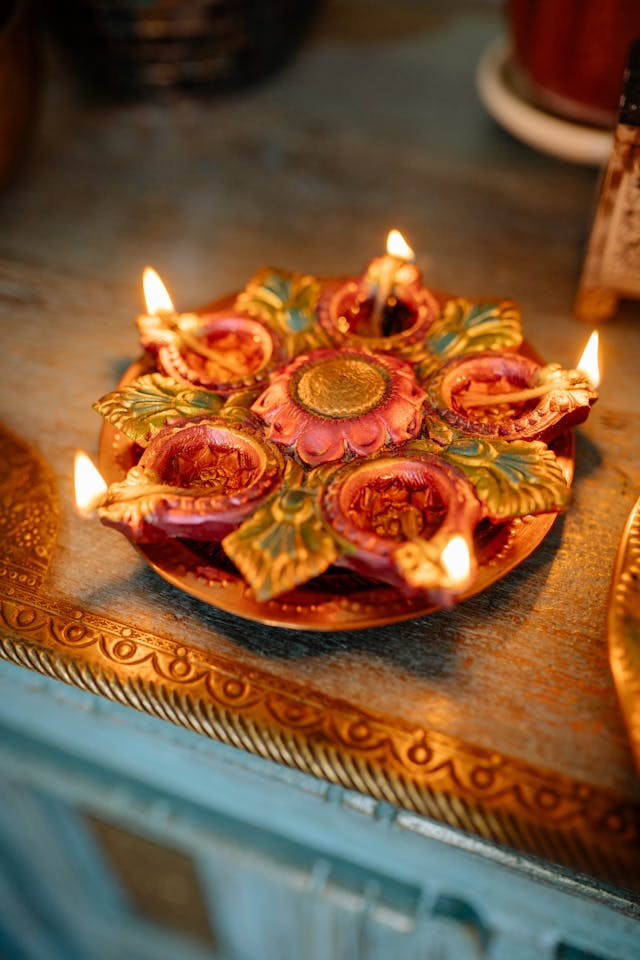
- Daily Puja: Morning and evening rituals include lighting diyas, offering flowers, incense and reciting Durga Saptashati verses or mantras such as “Om Aim Hreem Kleem Chamundaye Vichche.”
- Meditation and Mantra Japa: Focusing on the heart chakra and the bija (seed) mantra “Aim” helps attune to the Goddess’s energy.
Vastu Tips for Positive Vibes During Navratri
- Puja Room Placement: Position your altar in the northeast (Ishanya) sector of the home for maximum spiritual upliftment and flow of positive chi.
- Lighting and Décor: Use earthen lamps (diyas) and fresh marigold garlands to invite warmth and auspiciousness. Keep the space well-ventilated.
- Furniture and Mirrors: Ensure seating faces east or north. Avoid clutter and keep mirrors out of the puja area to prevent energy distortion.
Astrological Tips to Harmonize Energy
- Muhurta Selection: Begin major rituals on days when the Moon is waxing (Shukla Paksha) and avoid eclipses or inauspicious yogas.
- Mantra Timing: Chant Durga mantras during Brahma Muhurta (around 4:00–6:00 AM) for heightened receptivity to subtle energies.
- Gemstone Guidance: If your birth chart supports it, wearing a natural yellow sapphire (pushya varga ruby for Sun) or coral (for Mars) can bolster courage and willpower under Durga’s grace. Consult a qualified astrologer for personalized advice.
Conclusion
Shardiya Navratri is more than a festival—it is a transformative journey inviting devotees to shed fears and limitations while embracing divine strength and compassion. By harmonizing Vastu principles and astrological insights, one can amplify the positive vibrations that flourish during these nine auspicious nights. May the blessings of Goddess Durga illuminate your life with courage, abundance and spiritual awakening.
Happy Navratri to you, your family and loved one.